
We are all quite familiar with the term Farming, but many people are still unaware of the different types of Farming in Agriculture that exist today. Since ancient times, humans have been practicing Farming to produce food, clothing, and sustain their livelihood. In fact, civilization itself has thrived because of agriculture.
Moreover, Farming not only provides people with a means of livelihood but also meets their nutritional needs. As a result, different Farming are practiced around the world, depending on the region’s geography, climate, soil, and social needs. In today’s blog, therefore, we will explore the various Types of Farming in Agriculture in detail.
Subsistence Farming
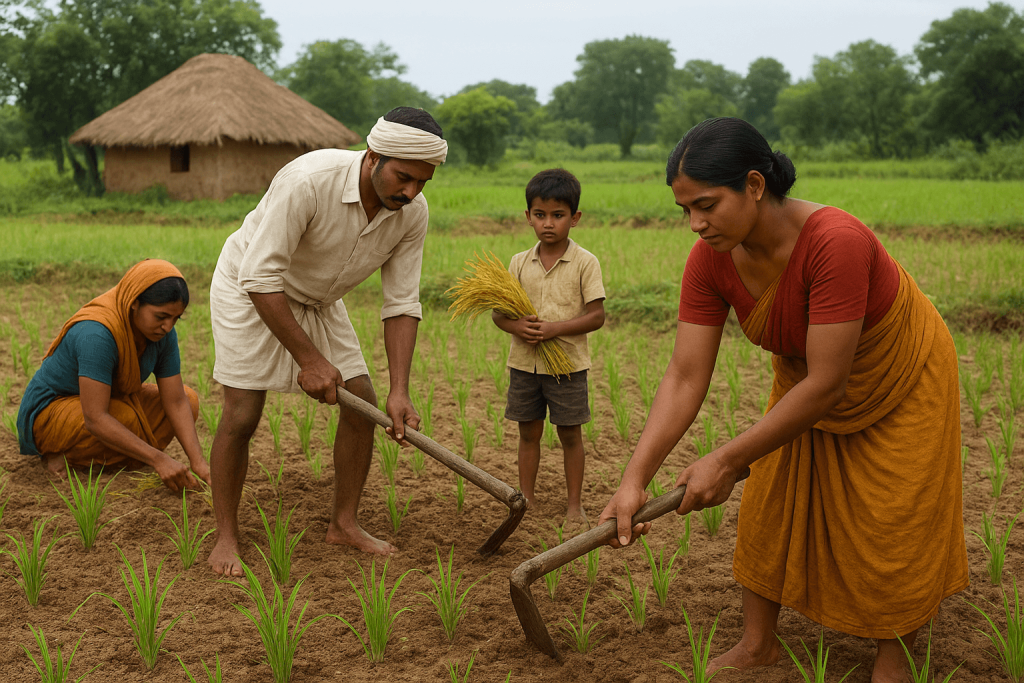
To begin with, Subsistence Farming is a type of farming system in which a farmer produces only the crops necessary to meet his own and his family’s needs. In this system, the farmer does not yield any surplus crops for sale in the market.
In most cases, it includes:
- Small farms and limited land area.
- Use of traditional tools and family labor.
- Low productivity and limited surplus.
- Focus on staple food crops like rice, maize, and wheat.
For example, this type of Farming is common in countries like India, Nepal, and several African nations.
Commercial Farming
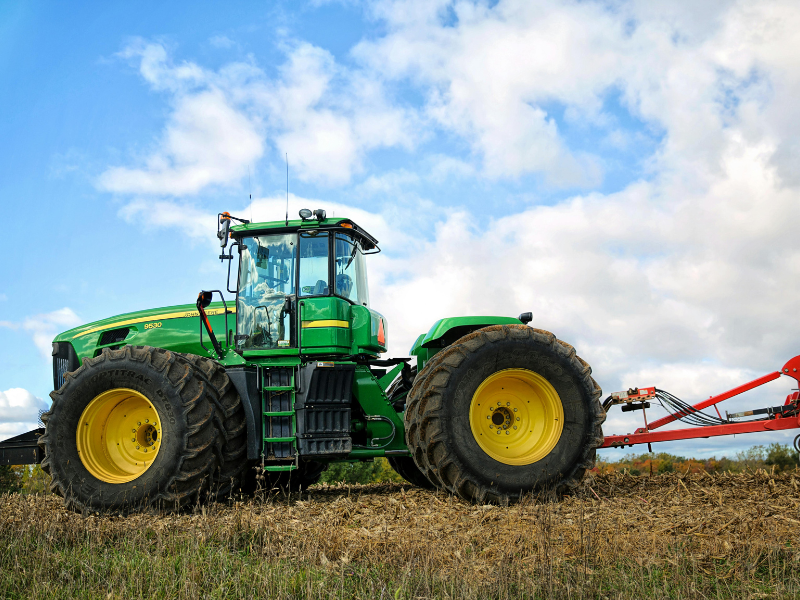
On the other hand, Commercial Farming refers to an agricultural system where crops and livestock are produced primarily for market sale and profit rather than for personal or family consumption. In this type of Farming, the main objective is to earn income through large-scale and organized agricultural production using modern tools, technology, and market-oriented strategies.
Typically, it involves:
- Big land holdings.
- High investment in machinery, fertilizers, and irrigation.
- Production of cash crops like cotton, sugarcane, tea, and coffee.
- Market-oriented Farming for local and global trade.
For instance, coffee plantations in Brazil or cotton farms in the United States are good examples.
Mixed Farming
In addition, Mixed Farming is a type of agricultural system in which a farmer not only cultivates crops but also rears livestock.
As a result:
- Animals provide manure for crops.
- Crop residues serve as animal feed.
- Dual income from crops and livestock products.
For example, a farmer growing corn and keeping cows for milk production practices Mixed Farming.
Intensive Farming
Furthermore, Intensive Farming aims to produce maximum output from a limited area of land. Therefore, it involves the use of fertilizers, irrigation, pesticides, and advanced technology.
Key characteristics include:
- High input, high output system.
- Focused on increasing productivity.
- Requires massive investment and labor.
For instance, vegetable farming near urban areas is a common example.
Extensive Farming
In contrast, Extensive Farming uses large areas of land with minimal inputs. It is suitable for regions with low population density and large open spaces.
As a result:
- Large land area but low productivity per hectare.
- Mechanized operations.
- Lower labor requirements.
- Mostly practiced for grains or livestock.
For example, cattle ranches in Australia or wheat farms in Canada follow this method.
Plantation Farming
Similarly, Plantation Farming involves growing a single crop (monoculture) on a large estate, mainly for export purposes.
Its features include:
- Large-scale commercial operation.
- High capital and labor input.
- Tropical crops such as tea, coffee, cocoa, and rubber.
- Requires favorable climate and fertile soil.
Organic farming
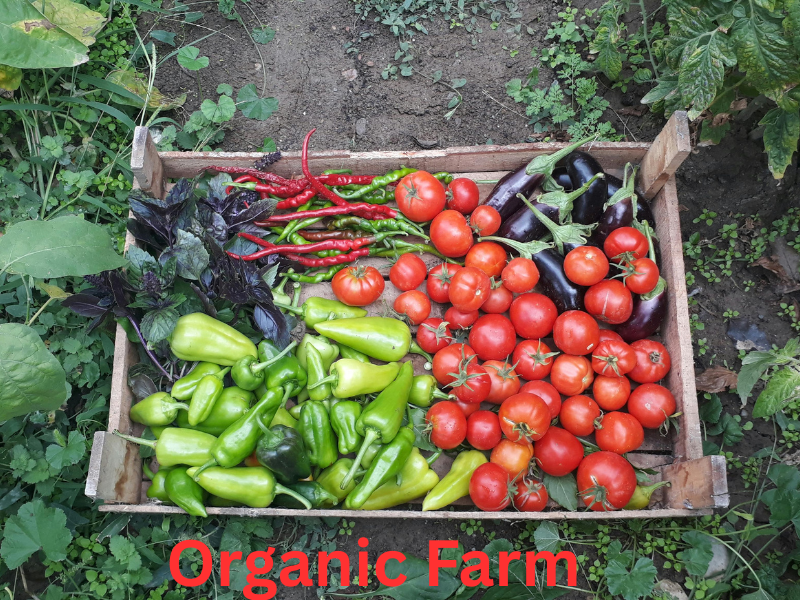
In recent years, Organic Farming has gained popularity as a natural method of cultivation. In organic Farming, no chemical fertilizers or pesticides are used; instead, crops are produced entirely through natural and eco-friendly methods. As a consequence, it has no harmful effects on the environment.
Some main features are:
- Uses compost, green manure, and bio-fertilizers.
- Focus on soil health and biodiversity.
- Environmentally sustainable and safe for consumers.
For example, organic fruit and vegetable farms in Europe and North America follow this practice.
Shifting Cultivation
Meanwhile, Shifting cultivation, also known as slash and burn farming, involves clearing forest land for cultivation and moving to a new area after a few years when the soil loses fertility.
This system:
- It is common in tropical rainforests.
- Allows soil to recover naturally after a few years.
- It is practiced by indigenous and tribal communities.
For instance, Jhum cultivation in the hills of Northeast India is a popular example.
Dairy Farming
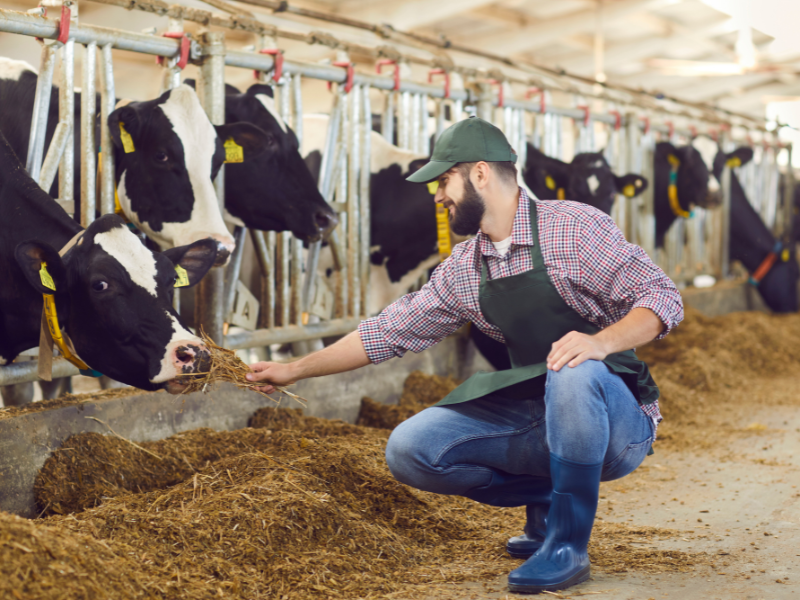
Likewise, Dairy Farming focuses on the production of milk and milk-based products such as cheese, butter, and yogurt.
To ensure success:
- Animals should be kept clean and hygienic.
- Daily operations include feeding, milking, and cleaning.
- High income is possible with good management.
For example, modern dairy farms in the Netherlands and New Zealand are well known.
Poultry Farming
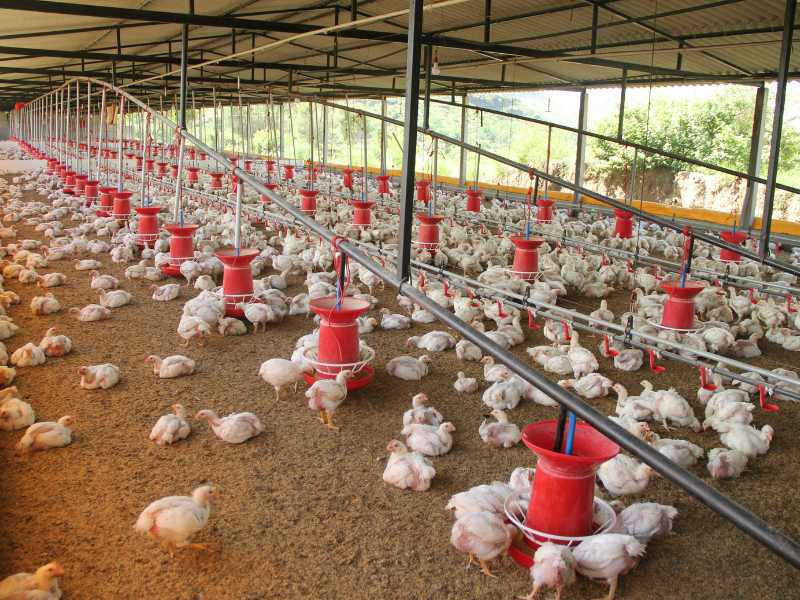
In the same way, Poultry Farming refers to the practice of raising domestic birds such as ducks, chickens, turkeys, and geese for meat and eggs.
This type of Farming:
- Has a fast production cycle and high demand.
- Requires good sanitation and temperature control.
- It is profitable for small and large-scale farmers.
For example, commercial chicken farms are found throughout Asia and the United States.
Aquaculture (Fish Farming)
Additionally, Aquaculture is the breeding and rearing of fish and other aquatic organisms in controlled environments like ponds or tanks.
As a result:
- It helps meet the global demand for fish.
- Reduces overfishing from natural water bodies.
- It is a sustainable and profitable method.
For instance, tilapia and catfish farms in Bangladesh and Thailand are very common.
Horticulture Farming
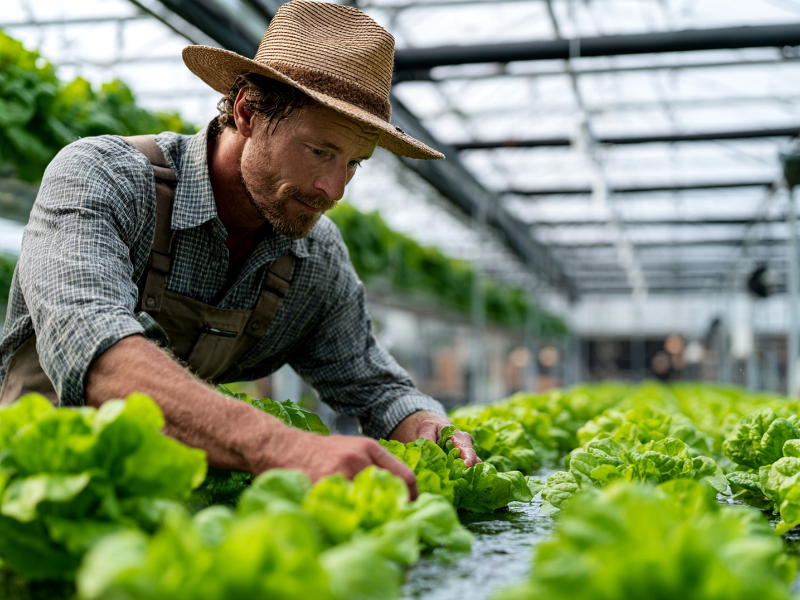
Moreover, farmers scientifically grow fruits, vegetables, spices, flowers, and medicinal plants in horticulture Farming. This method is practiced on a small scale with intensive care and management.
It involves:
- Skilled management.
- High market value and demand.
- Small-scale or greenhouse production.
For example, flower farming in the Netherlands and greenhouse farming in California are well known.
Other types of Farming
Apart from the above, there are various types of farming in agriculture modern and technology-based Farming systems, environment-friendly Farming systems, and livestock-based Farming systems. These methods continue to evolve according to environmental needs and market demand.
Importance of Types of Farming in Agriculture
Overall, every type of Farming in Agriculture contributes uniquely to food security, economic growth, and sustainability.
- Subsistence Farming ensures survival and food supply for families.
- Commercial Farming strengthens economies through exports.
- Organic and Mixed Farming promote sustainability and soil health.
- Modern Farming techniques meet global food demands efficiently.
Together, these systems maintain a balance between human needs and environmental care.
Farming is not merely a profession; rather, it is the foundation that sustains human civilization. Furthermore, the various types of farming in agriculture reflect the diversity and creativity of human efforts in cultivating the land. Whether it is traditional subsistence farming, modern techniques, organic practices, or commercial farming systems, each plays a vital role not only in ensuring food security for people around the world but also in shaping the future of global agriculture. Moreover, as technology advances and the population grows, sustainable farming will remain key to building a secure and eco-friendly future.